
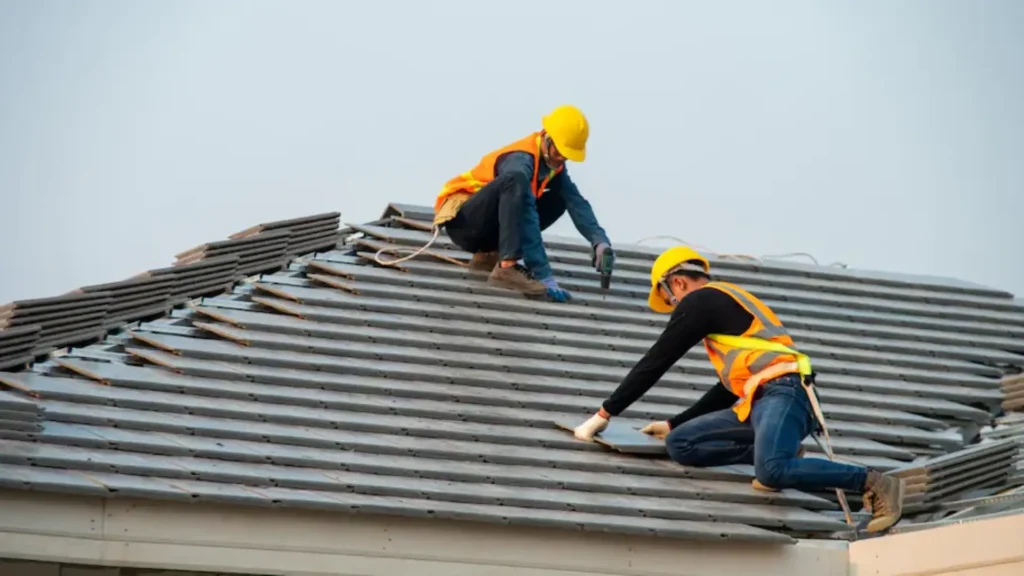
Are you considering a roof replacement? It’s a significant investment for any homeowner, but it’s also one of the most crucial aspects of maintaining your home’s structural integrity. In this comprehensive guide, we’ll walk you through everything you need to know before embarking on this essential home improvement project.
Understanding the Signs
Before diving into the roof replacement process, it’s essential to recognize the signs that indicate your roof may need attention. Look out for missing or damaged shingles, water stains on your ceiling, or noticeable sagging. These are all indicators that your roof may be compromised and in need of replacement.
Choosing the Right Materials
When it comes to roof replacement, the choice of materials is critical. Consider factors such as durability, aesthetics, and cost when selecting the roofing material that best suits your needs. Popular options include asphalt shingles, metal roofing, and tile roofing, each with its own set of advantages and considerations.
Considerations for Climate
Take into account your local climate when choosing roofing materials. For example, in areas prone to high winds or hurricanes, a sturdy metal roof may be a better option than traditional asphalt shingles. Similarly, in regions with heavy snowfall, a steeply pitched roof with adequate ventilation can help prevent ice dams and water infiltration.
Hiring the Right Contractor
A successful roof replacement project hinges on hiring the right contractor. Look for licensed and insured professionals with a proven track record of quality workmanship. Don’t hesitate to ask for references and inquire about warranties offered on both the materials and labor.
Obtaining Multiple Quotes
Before committing to a contractor, it’s wise to obtain multiple quotes to ensure you’re getting a fair price for your roof replacement. Be wary of unusually low bids, as they may be a red flag for subpar workmanship or the use of inferior materials.
The Installation Process
During the roof replacement process, clear communication with your contractor is key. Discuss the timeline for the project, any potential disruptions to your daily routine, and what steps will be taken to protect your property during the installation.
Maintaining Your New Roof
Once your roof replacement is complete, regular maintenance is essential to prolong its lifespan. Schedule annual inspections to check for any signs of damage or wear and tear, and promptly address any issues that arise to prevent costly repairs down the line.
In Conclusion
A roof replacement is a significant undertaking, but with careful planning and the right professionals by your side, it can be a smooth and rewarding process. By understanding the signs that indicate your roof may need attention, choosing the right materials and contractor, and prioritizing maintenance, you can ensure your home remains safe, secure, and protected for years to come.
Learn More:
Choosing the Right Roofing Material: Options for Durability and Style