
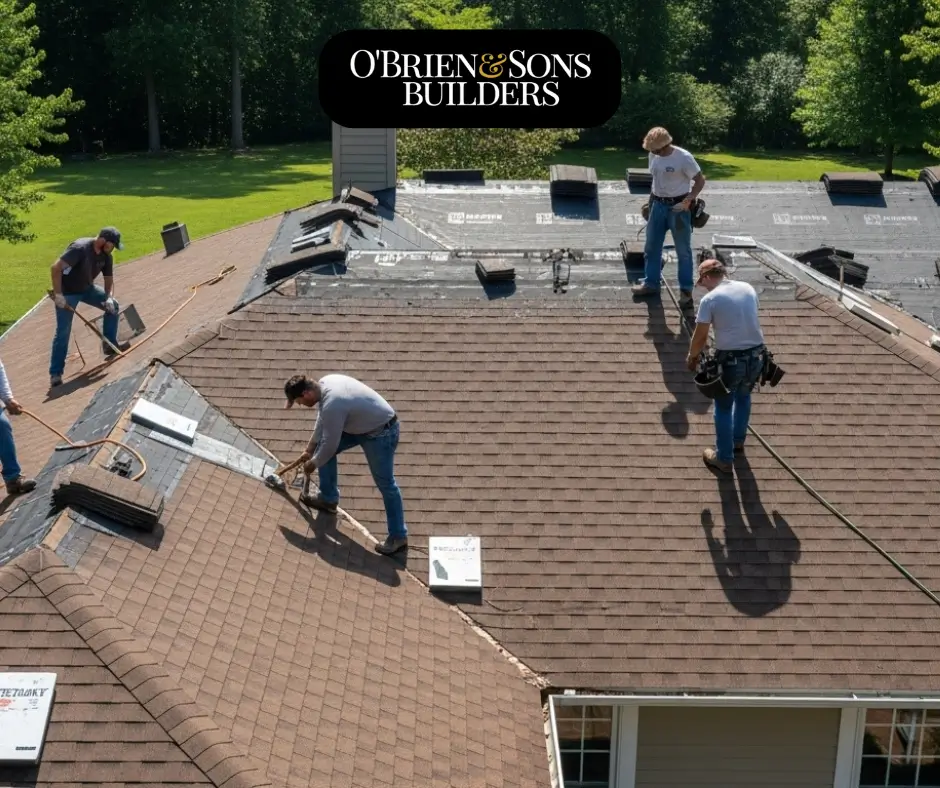
When it comes to Roof Replacement, one of the most important decisions you’ll make is choosing the right roofing material. Your selection affects not only the durability and longevity of your new roof but also your home’s energy efficiency, appearance, and future maintenance needs. With so many options available, understanding the pros and cons of each material is essential to making the right choice for your home.
Understand Your Roof’s Needs
Before selecting a material, take time to evaluate your specific needs. Consider your climate, the architectural style of your home, and the slope or pitch of your roof. Each roofing type performs differently based on these factors. A thoughtful roof replacement plan starts with identifying what you expect in terms of performance, longevity, and aesthetic value.
Popular Roofing Materials to Consider
Each roofing material comes with its own advantages. Here’s a closer look at some of the most widely used options in residential roofing projects:
Asphalt Shingles
Asphalt shingles are one of the most commonly used materials in residential roof replacement. They’re known for their affordability, variety of styles, and relatively easy installation. Available in multiple colors and textures, asphalt shingles can complement nearly any home design.
Metal Roofing
Metal roofs are gaining popularity for their durability and energy efficiency. They reflect sunlight, which can help regulate indoor temperatures. Metal roofing materials like aluminum, steel, or copper are also low maintenance and resistant to fire, mildew, and pests—making them an excellent choice for long-term roof replacement solutions.
Clay and Concrete Tiles
For homes with Mediterranean, Spanish, or Southwestern styles, clay and concrete tiles offer timeless beauty and exceptional longevity. These materials can last for decades and perform well in hot climates. However, they are heavier than other options, which may require additional roof support.
Slate Roofing
Slate is one of the most durable and aesthetically rich options available. It’s known for its natural texture, fire resistance, and longevity. Although more costly and labor-intensive to install, slate roofs can last over a century when properly maintained, making them a long-term investment.
Energy Efficiency and Environmental Impact
Modern Roof Replacement isn’t just about looks—it’s also about performance. Cool roofing materials, like metal and certain shingles, are designed to reflect more sunlight and absorb less heat, reducing your home’s cooling costs. If sustainability is important to you, consider recycled or recyclable materials that reduce environmental impact without compromising quality.
Matching Style with Functionality
The material you choose should match the architectural style of your home. For example, metal panels suit modern or farmhouse-style homes, while shingles are a classic fit for traditional layouts. Beyond style, consider how the material complements your surroundings and how it will age over time under local weather conditions.
Longevity vs. Maintenance
Some roofing systems require little to no upkeep, while others may demand more frequent inspections and repairs. Metal and slate roofs, for example, tend to have long lifespans and low maintenance needs. Asphalt shingles, though cost-effective, may require more regular replacement. Factor in both the upfront and long-term considerations when making your decision.
Final Thoughts
Choosing the best roofing material is a critical part of any successful Roof Replacement. By balancing aesthetics, performance, maintenance, and environmental impact, you can find a solution that protects your home and enhances its value. Take your time, ask the right questions, and consider how each material aligns with your long-term goals. A well-informed decision today will ensure a secure and beautiful roof for years to come.