
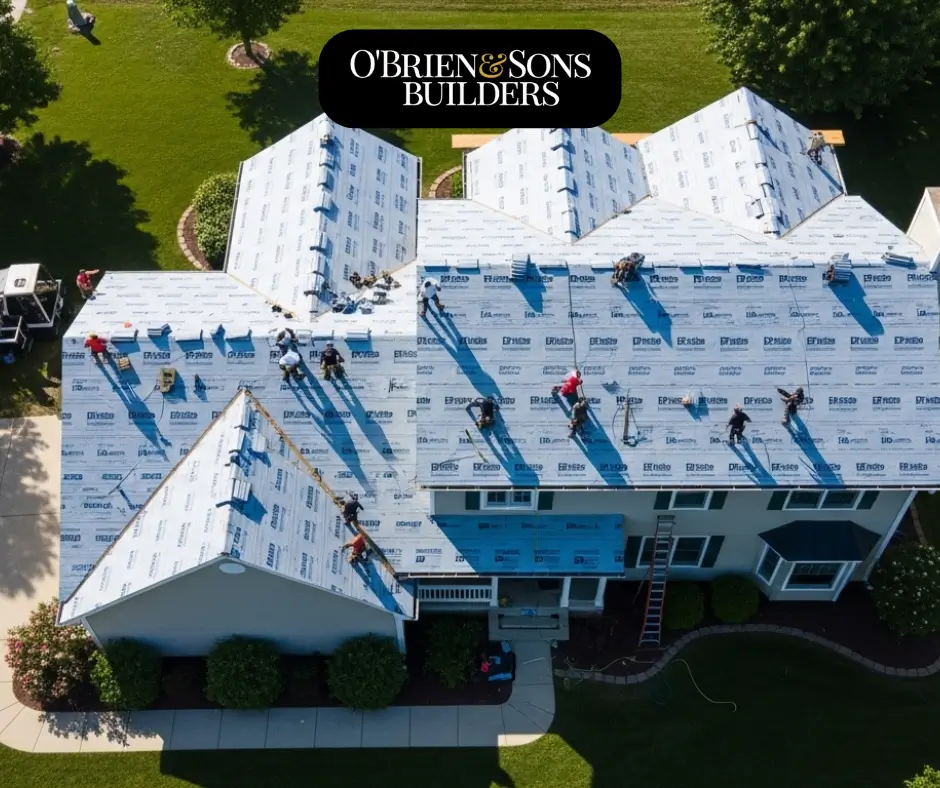
Replacing a roof is one of the most significant home improvement projects you’ll undertake. A properly installed and maintained roof offers safety, energy efficiency, and peace of mind for years to come. However, even small mistakes during the Roof Replacement process can lead to costly consequences. From selecting materials to final installation, careful planning and attention to detail are essential.
1. Delaying Roof Replacement Too Long
One of the most common—and costly—mistakes homeowners make is waiting too long to replace an aging or damaged roof. Ignoring warning signs like cracked shingles, frequent leaks, or sagging areas can lead to structural damage and mold growth. A proactive approach to roof renovation ensures your home stays protected before small problems turn into major repairs.
2. Choosing the Wrong Roofing Material
Every home has unique structural and aesthetic needs. Choosing the wrong roofing material can affect durability, energy efficiency, and the overall appearance of your home. During a Roof Replacement, it’s important to consider factors like climate, roof slope, and long-term maintenance. Asphalt shingles, metal panels, slate, and tile each offer different benefits depending on your home’s design and your personal priorities.
3. Skipping the Roofing Inspection
A thorough roof inspection is the foundation of any successful replacement project. Skipping this step can result in overlooked damage to the roof decking, ventilation issues, or hidden leaks. A comprehensive inspection allows you to identify underlying problems before new materials are installed, helping to ensure a durable and effective new roof installation.
4. Ignoring Proper Ventilation
Roofing isn’t just about what you see on the outside. Poor attic ventilation can trap heat and moisture, leading to premature deterioration of roofing materials and reduced energy efficiency. Make sure your roof replacement plan includes proper intake and exhaust ventilation to extend the life of your roof and reduce heating and cooling costs year-round.
5. Overlooking Flashing and Seals
Flashing is the material installed around chimneys, vents, and skylights to prevent water intrusion. During a roofing system upgrade, it’s critical not to reuse old or damaged flashing. Skipping this step can create weak spots that lead to future leaks and costly damage. Ensure all flashings and seals are properly replaced or reinforced as part of the installation process.
6. Not Preparing for Weather or Timing
Planning your roof replacement during the wrong season or without accounting for weather conditions can create unnecessary delays and risks. Ideal roofing weather is dry and mild. Sudden rain, wind, or extreme temperatures during the job can affect material performance and installation quality. Planning ahead for the right timing is just as important as selecting materials and contractors.
7. Focusing Only on Appearance
It’s easy to be drawn to attractive roofing materials and colors, but performance should never be compromised for aesthetics. When planning a Roof Replacement, always balance style with function. Choose materials that are proven to perform well in your region while complementing your home’s exterior design.
8. Ignoring the Importance of Maintenance
Even the best roofing systems require maintenance. After installation, homeowners sometimes forget that their roof still needs periodic inspections and upkeep. Cleaning gutters, checking for damage after storms, and keeping surrounding trees trimmed are simple steps that can prevent premature wear and protect your investment.
Final Thoughts
A successful Roof Replacement is more than just putting on new shingles. It involves thoughtful planning, material selection, structural assessment, and a commitment to quality throughout the process. By avoiding these common mistakes, you can ensure that your new roof is safe, efficient, and built to last—providing lasting protection and peace of mind for your home and family.