
A successful roof replacement doesn’t happen overnight—it requires careful preparation, informed decisions, and the right team. Whether you’re dealing with a roof past its lifespan or looking to enhance your home’s appearance and efficiency, knowing what to expect at each stage of the process helps reduce stress and avoid costly surprises. From estimating costs to selecting the right shingles, thoughtful planning is the key to a durable, beautiful result.
Setting Realistic Expectations for the Timeline
The duration of a roof replacement project depends on several variables, including the size of your home, the weather, and the type of roofing material used. Most residential replacements are completed within a few days, but delays can occur due to rain or unexpected structural issues. Working with a reliable contractor ensures a clear schedule and better communication throughout the process. Planning for weather and availability ahead of time helps keep your project on track.
Building a Budget That Works
Understanding the cost of materials, labor, permits, and disposal fees is essential when preparing your budget. Prices can vary widely based on roofing type—such as asphalt shingles, metal panels, or clay tiles—and whether structural repairs are needed. It’s also wise to set aside a contingency fund for hidden damage that may be discovered during the tear-off phase. A well-planned roof replacement budget balances quality with affordability and ensures there are no surprises along the way.
Choosing Materials That Match Your Needs
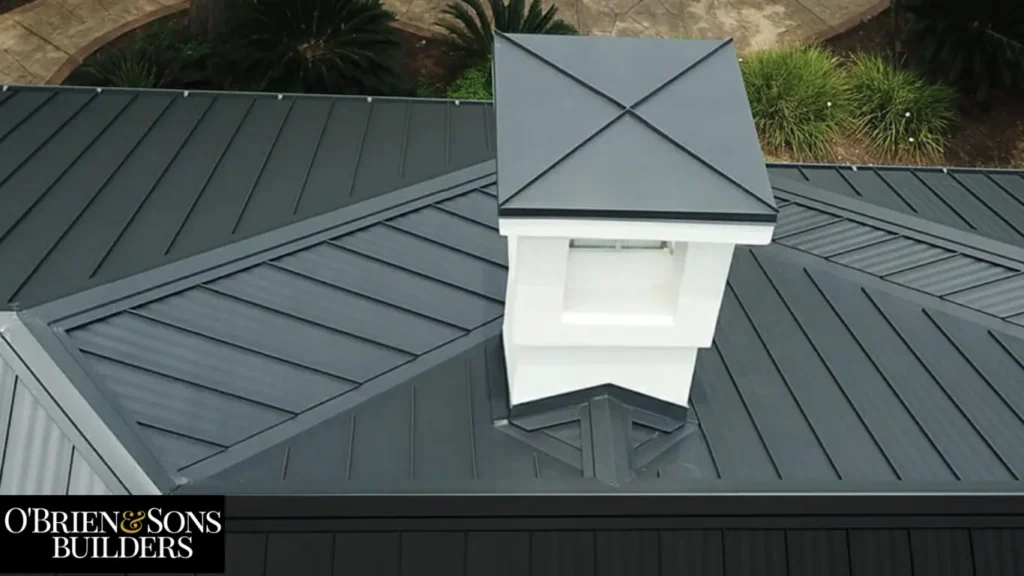
The material you select has a big impact on the durability, appearance, and maintenance of your new roof. Asphalt shingles are popular for their affordability and ease of installation, while metal roofing offers impressive longevity and energy efficiency. Tile and slate provide a premium look but come with higher upfront costs. Your local climate, architectural style, and long-term goals should all influence your decision. During the roof replacement process, your contractor can guide you through selecting the best materials for both function and curb appeal.
Coordinating with Professionals for Peace of Mind
Hiring a licensed roofing contractor is one of the most important steps in your project. They’ll not only handle the installation but also help with permits, inspections, and cleanup. Transparency and communication are vital throughout the roof replacement process, so choose a team that prioritizes service and reliability. Having professionals you trust ensures your investment adds lasting value and protection to your home.
Read more:
What Happens After Roof Replacement? Maintenance Tips to Extend Lifespan
Roof Replacement vs. Repair: Making the Right Choice for Your Home